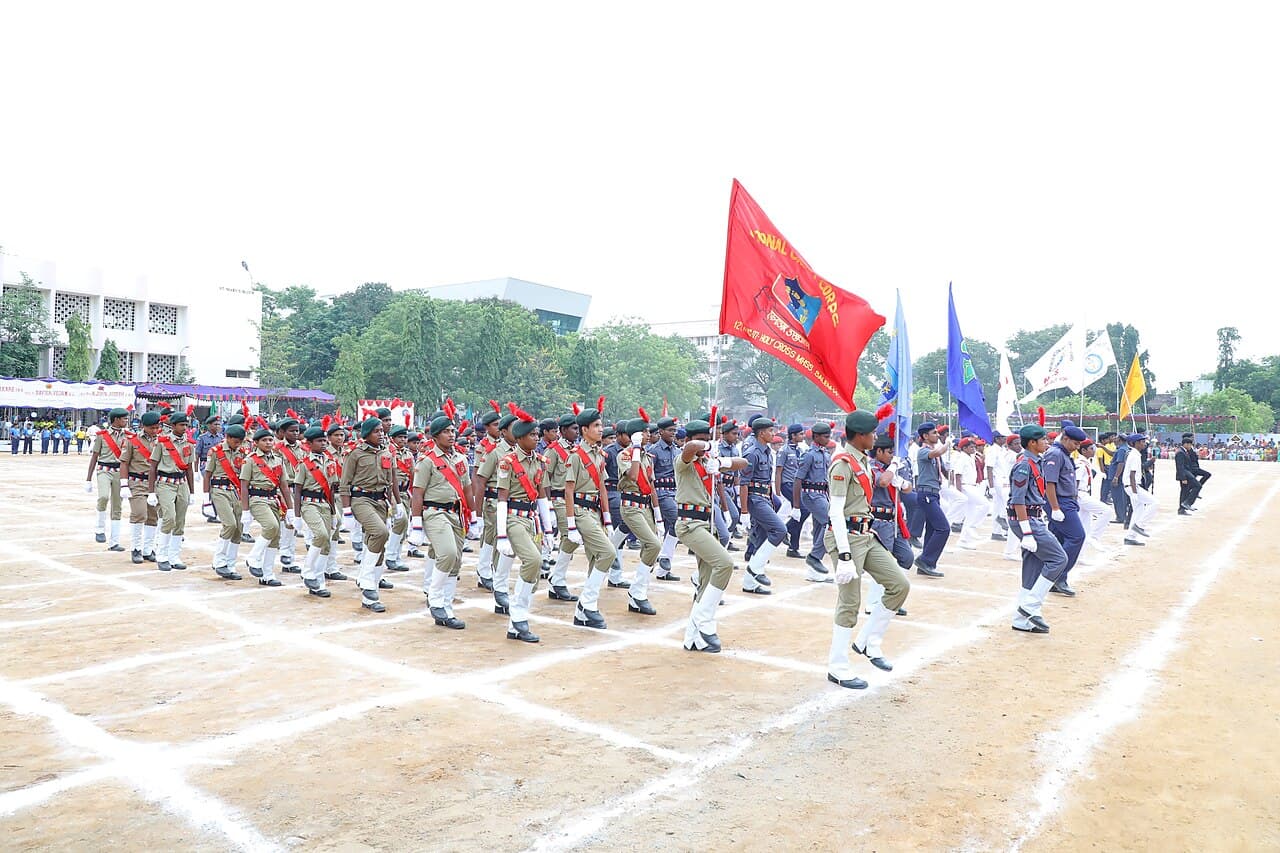
Recent wins by the J&K wushu and taekwondo squads at the National School Games have put a spotlight on school sport in the valley. The Daily Excelsior reported that the teams brought home trophies on 27 October, and the Brighter Kashmir piece confirmed the overall titles on 28 October. Those successes are a reminder that good equipment and planning can turn a modest school programme into a podium contender.
Start with the basics: space and safety
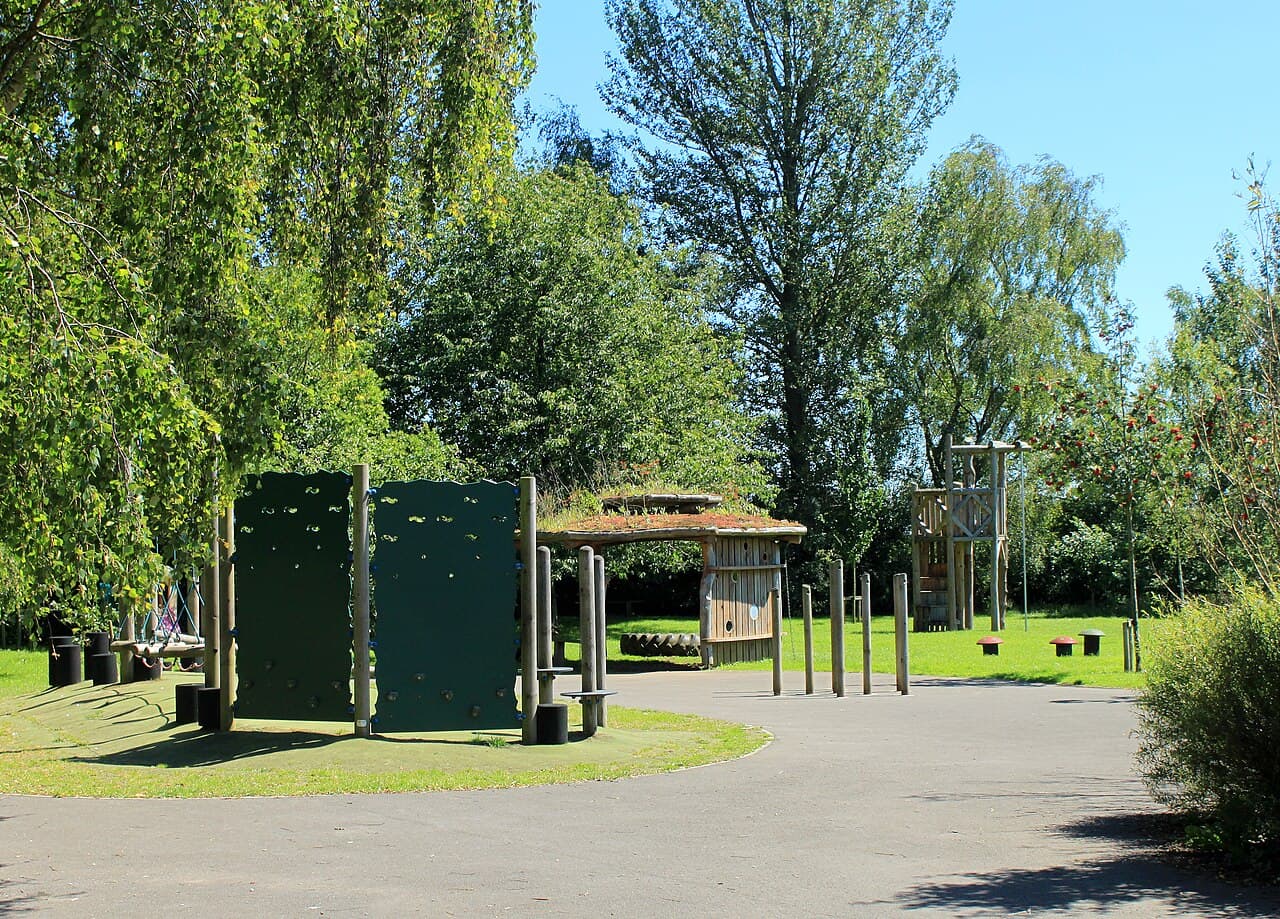
Before buying any gear, check the available area. A standard PE field needs at least 60 m by 40 m for basic athletics and team games. If the school only has a small courtyard, focus on portable equipment that can be stored after use. Mark the boundaries with durable, weather,resistant tape or painted lines. Safety mats are essential for martial arts practice; a thin rubber mat can be rolled out for wushu and taekwondo drills and folded away when not needed.
Selecting the right gear for each sport
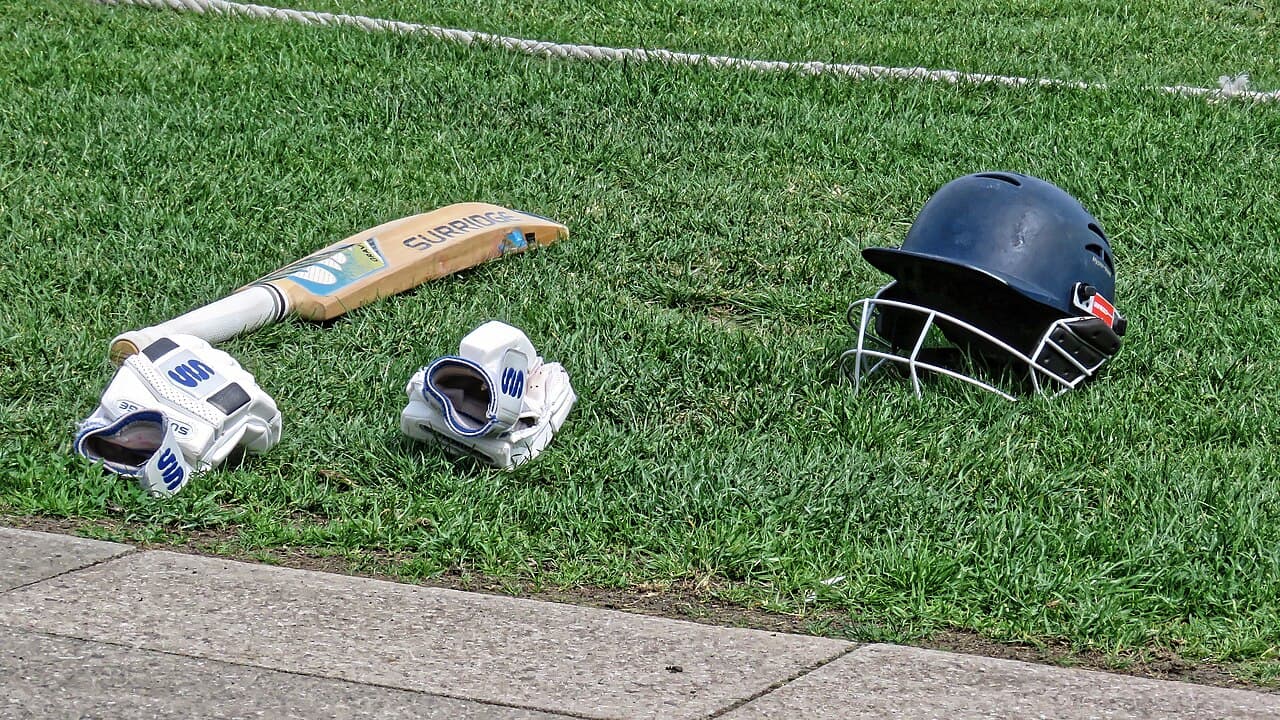
For team games, start with multipurpose items. A set of 7, kg basketballs works for both basketball and volleyball drills, and a basic net can be adjusted for height. The Kashmir Reader noted that the state government is upgrading sports infrastructure, which means many schools will soon have access to better courts. In the meantime, choose equipment that can be used on any flat surface, plastic or composite balls, lightweight portable hoops, and adjustable volleyball poles.
Combat sports need specific gear. The wushu and taekwondo teams that won national titles used certified protective gear, helmets, chest protectors and padded gloves. Schools should buy gear that meets the Indian Wushu Association standards; these are often available in local sports shops. A single set of uniforms can serve both disciplines if the school plans to run joint training sessions.
Building a schedule that fits the school calendar
Plan the sports day well in advance. Allocate at least two weeks for set,up and a rehearsal day for each event. Use the national games timetable as a guide, the Ganderbal venue for wushu and taekwondo started on 23 October, according to Greater Kashmir. Schools can mimic that structure by holding a mini-tournament for each sport, allowing students to experience competition in a familiar environment.
PE classes should rotate through activities. A week can focus on athletics, the next on team games, and the third on martial arts. This rotation keeps students engaged and spreads wear on the equipment evenly. Teachers can use simple score sheets to track progress and identify talent for future state-level competitions.
Funding and community support
Many schools rely on government grants or local sponsors. The Kashmir Reader article from 16 October highlighted the state’s push to strengthen sports infrastructure, which often includes funding for equipment purchases. Schools should submit proposals that reference recent national successes, the trophies won by J&K wushu and taekwondo teams, to show the impact of investment.
Parents and local clubs can also contribute. Organise a “gear drive” where families donate gently used sports items. These can be refurbished and added to the school’s inventory. A small community fund can cover the cost of safety mats or replace broken nets each year.
Practical buying tips for local shops
When you visit a sports store, ask for items that have a clear warranty and are suitable for the local climate. Plastic balls that become brittle in cold weather should be avoided; look for UV-treated composites instead. For martial arts, choose gear with breathable liners to handle the summer heat in the valley.
One local supplier, MDF Enterprises in Srinagar, carries a range of school-friendly equipment and can advise on bulk discounts for districts. Their staff know which products have held up well in previous school programmes.
Keeping the equipment in good shape
Regular maintenance extends the life of every item. Inspect balls for cracks before each use, tighten net fittings weekly, and store mats in a dry corner to prevent mold. A simple logbook kept by the PE teacher can record any repairs needed, making budgeting for replacements easier.
Finally, involve students in the care routine. Assign a “equipment captain” each term to check that everything is stored correctly after use. When students see that their gear is valued, they treat it with more respect, and the whole programme runs smoother.
With careful planning, the right basic gear, and community backing, schools across Jammu and Kashmir can host successful sports days and run PE programmes that nurture the next generation of champions.